Hope in Colors: Expressing Gratitude Over the Pacific.
Turning Gratitude into Action.
In hope to recognize and repay the courage of the U.S. Korean War Veterans, “Hope in Color” was launched. Through “Hope in Colors, ” the veterans are remembered and honored.
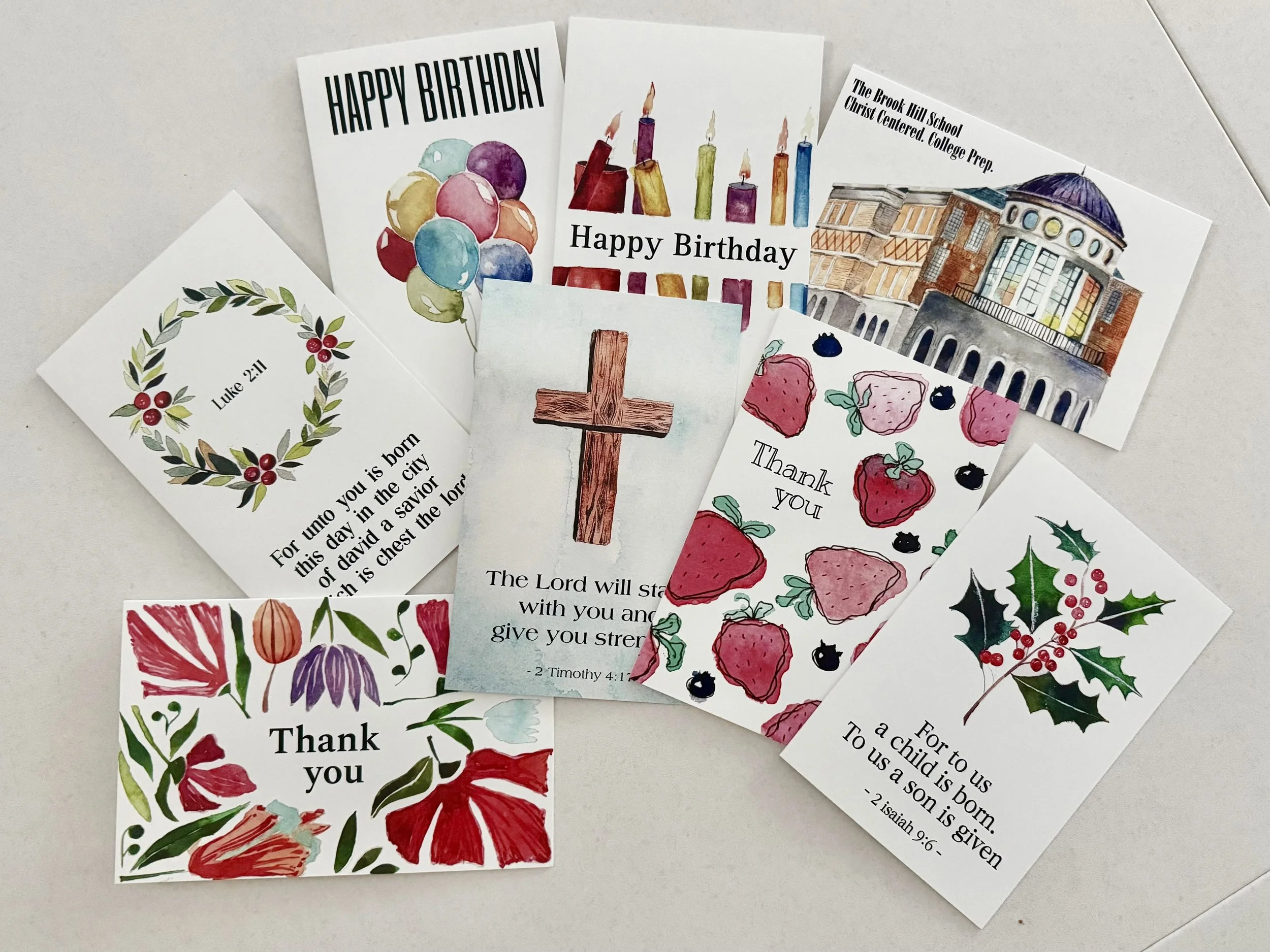
table of contents
1. Inception of the Project: How and why it started
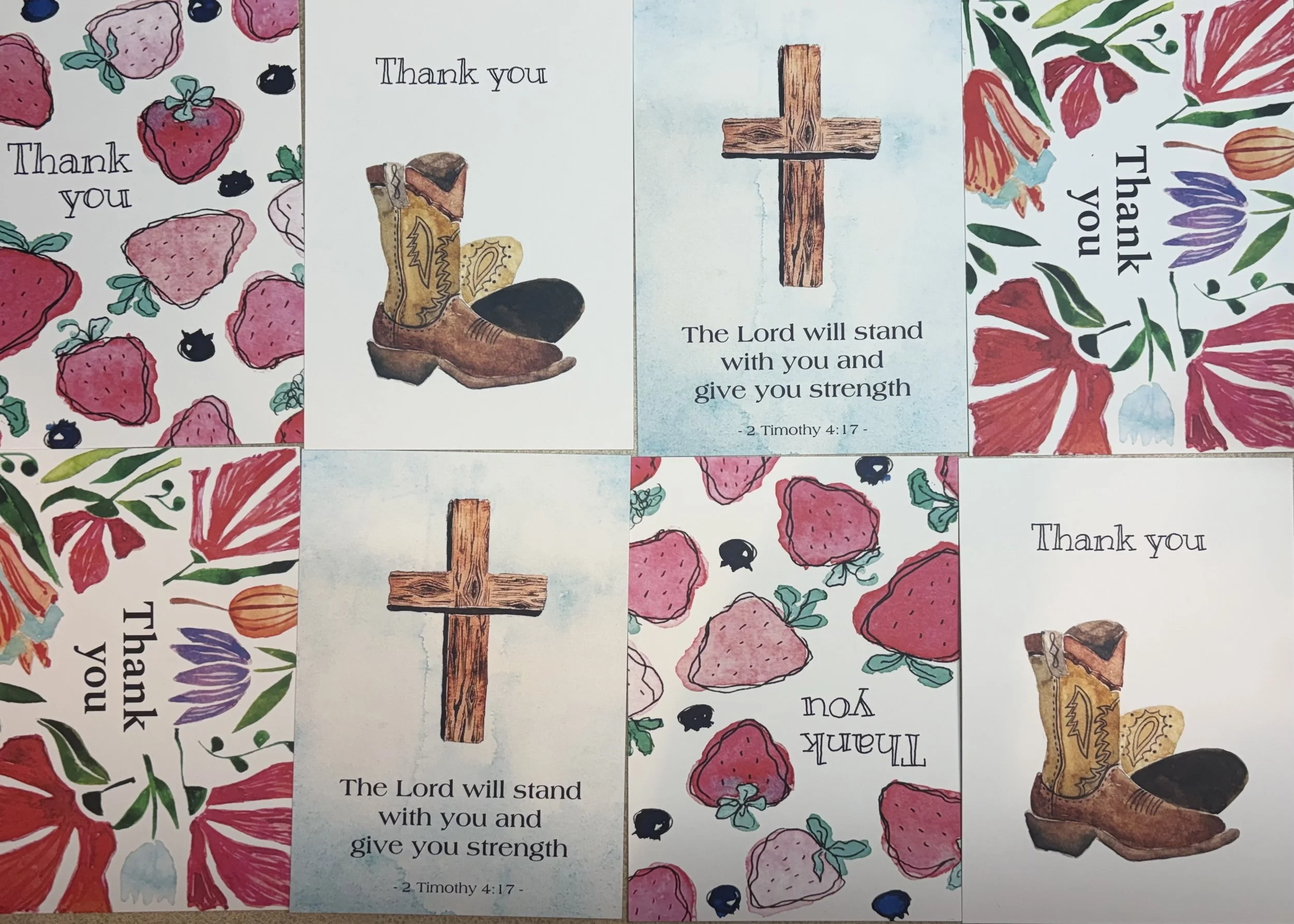
2. Process: How 9 original cards were made.
3. Transparency: All proceeds donated via Project Soldier KWV.
ABOUT THE PROJECT
Hope in Colors began as a simple goal
—to genuinely thank the U.S. Korean War Veterans.
Just like the U.S. Korean War Veterans crossed the Pacific to fight for the freedom of a falling country, this project started in hope to return their kindness over the pacific back to the U.S.
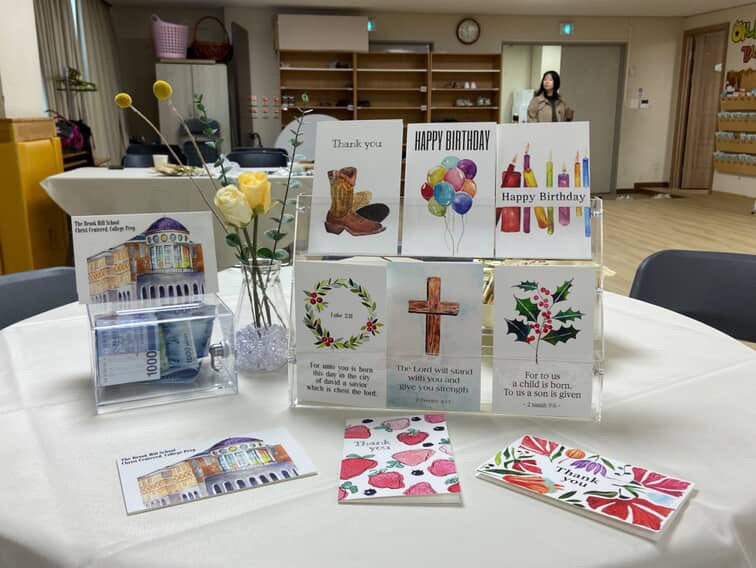
Since letter is a timeless mean by which one express heartfelt emotions across ocean, handmade letters were chosen for the medium of fundraising.
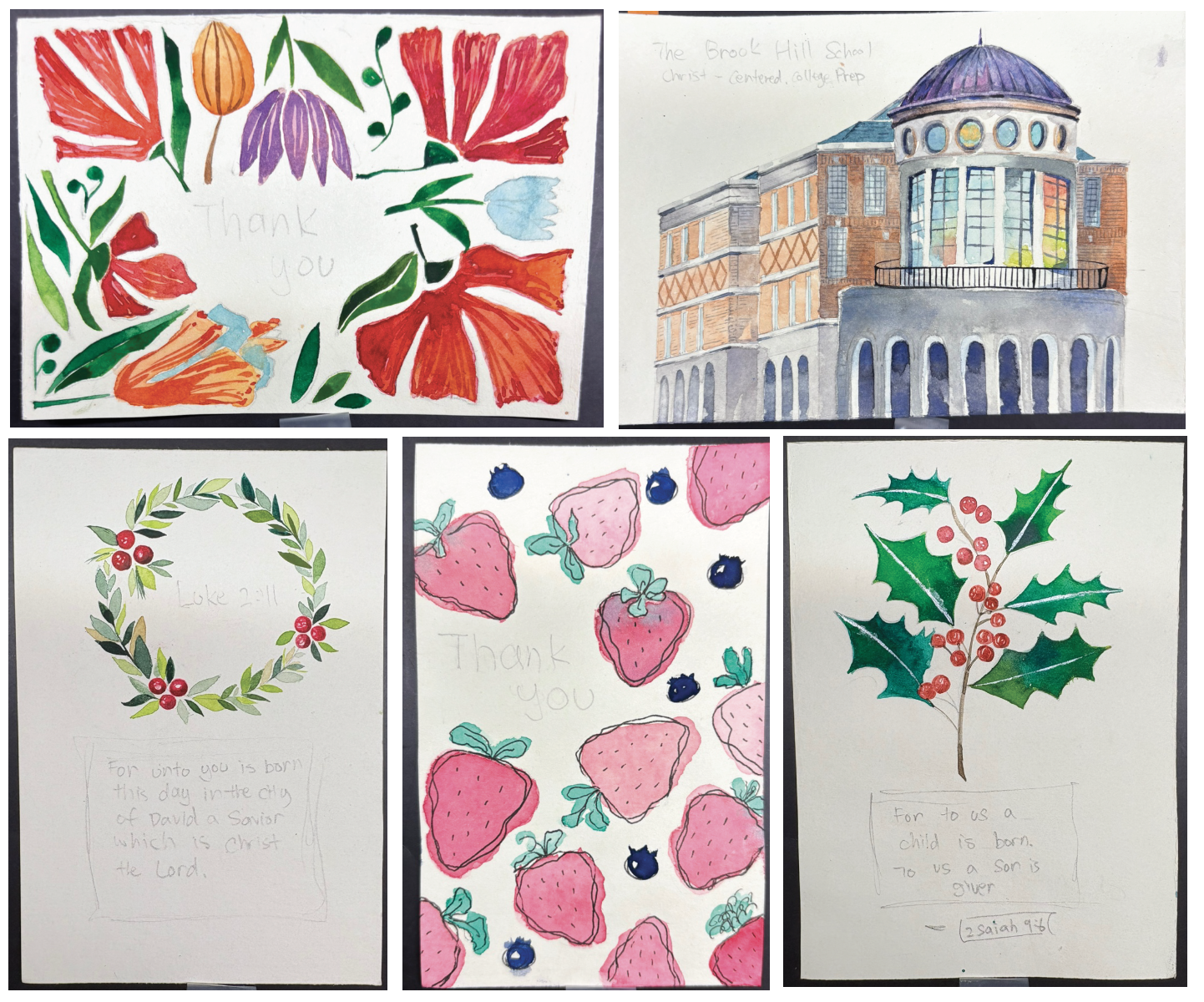
Symbolizing profound respect toward the veterans, every design of letters are hand drawn and carefully chosen.
Through the sales of the cards, donation money for the veterans is raised. The donation is wholly allocated to veteran support non profit organization.
Hope in Colors is more than a fundraiser. It is the determination to not forget the courage and sacrifices of the veterans. Just as emotions can be conveyed over handwritten letter, we hope our gratitude to reach the veterans.
The Philosophy: Courage Deserves to Be Returned
As a Korean student residing in the United States, it took courage to move to a foreign land to study alone at a young age. However, my courage does not fully corresponds to the remarkable courage of the veterans.
Korean War Veterans were about my age when they risked their life to fight for a random nation far away from their homeland. At an age when they should have been enjoying their youth, they instead chose to sacrifice it for others, demonstrating a level of courage I could never fully grasp.
The courage of the veterans is what allowed Korea, my home country, to be one of the most wealthy nation in Asia. It is also the factor that allowed me to start my journey in the United States. Without their sacrifice built on courage, I would not have been able to have the Freedom, security, and opportunities I enjoy today.
Hope in Color has foundation on one belief: courage need to be remembered and the selfless service deserves to be returned. Handmade card is one way that I show gratitude towards the veterans, who fought for my home country with unimaginable courage. Though I can never fully return their kindness back, I try to honor, remember, and pass that down to the next generation by expressing my gratitude through handmade letters.
Why It Matters
It all began because I sensed something meaningful was often left unspoken.
There were people I wanted to thank but didn’t always know how.
There was history I respected but hadn’t actively acknowledged.
And there were emotions my drawings carried that felt incomplete unless they were shared.
“Hope in Colors” mattered to me because it allowed me to finish the incomplete task that is left behind.
It helped me express my appreciation the Korean War Veterans, whom my journey was made possible
and create moments of connection through something as simple as a card.
More than anything, the project reminded me that gratitude must be shown through action, not by mere words.
PROCESS
Step 1
— Drawing for Illustration & Digitalization
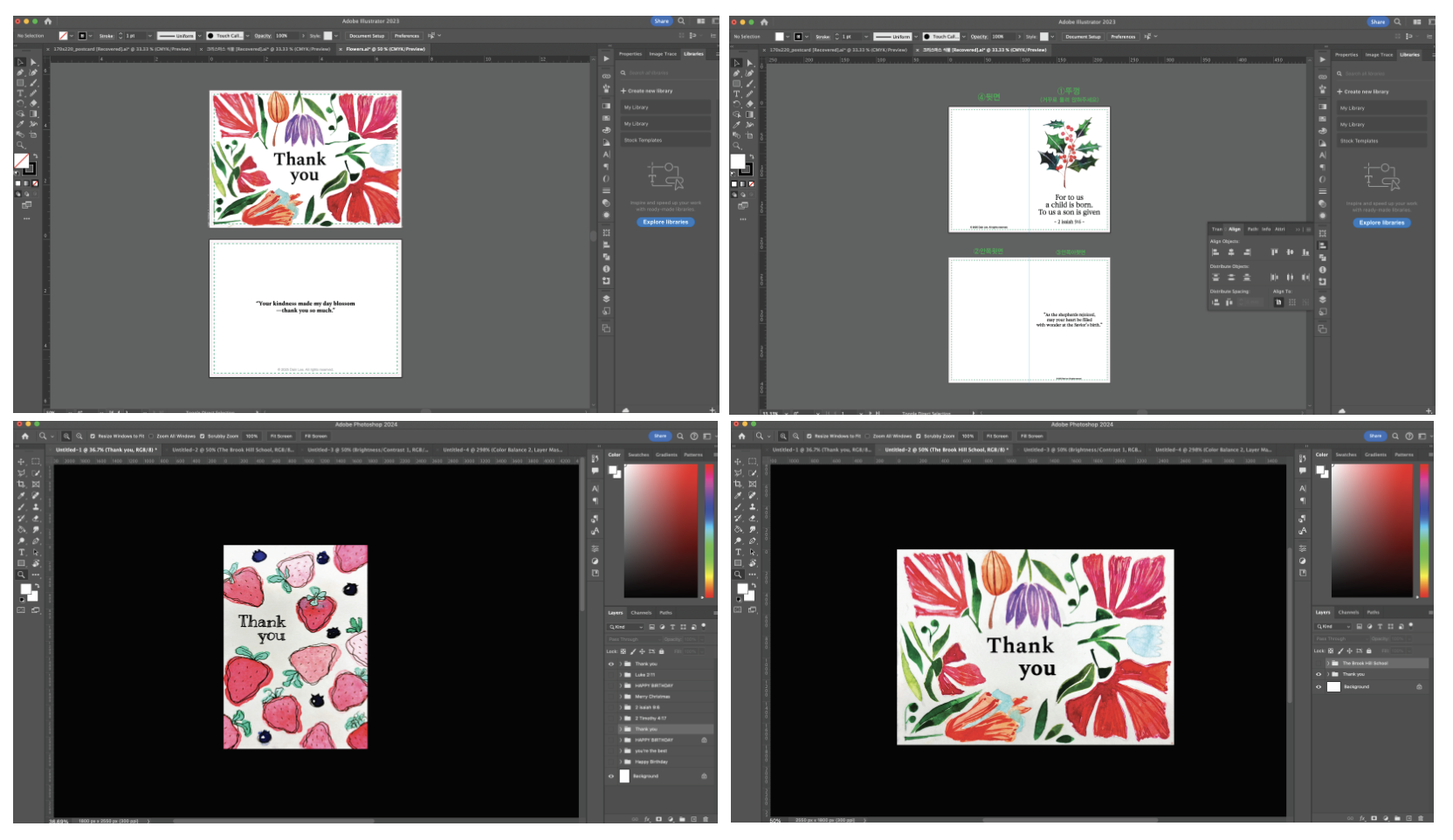
I drew illustrations with much sincerity and care, to the quality that reflects my whole hearted gratitude toward the Korean War Veterans. Then, the illustrations were digitalized and be ready to be used for card.
Step 2
— Card Design & Production
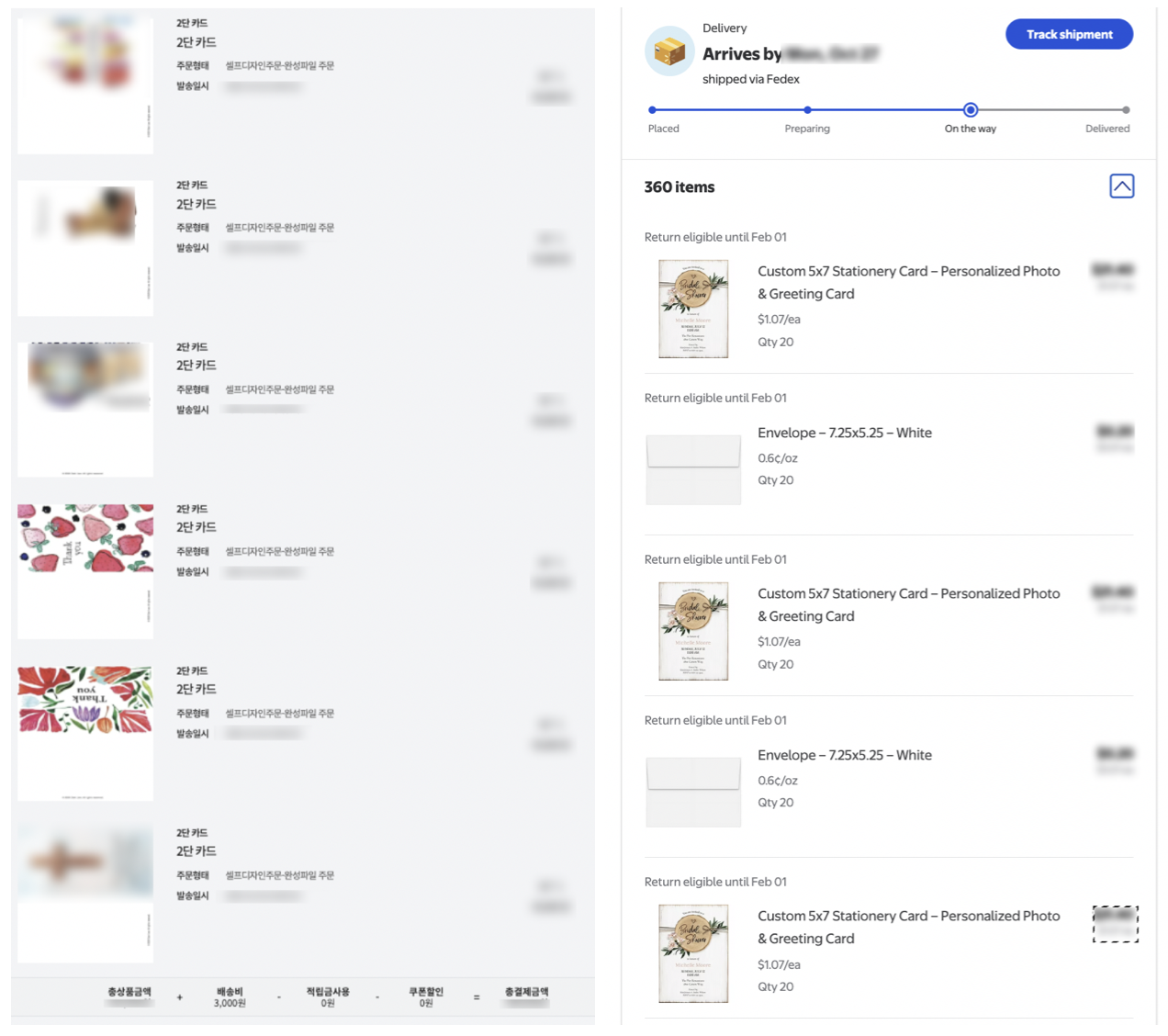
The size, fonts, medium of the card was chosen with deep consideration. Once the main components were determined, cards were produced in both Korea and the United States.
Step 3
— Card Sale
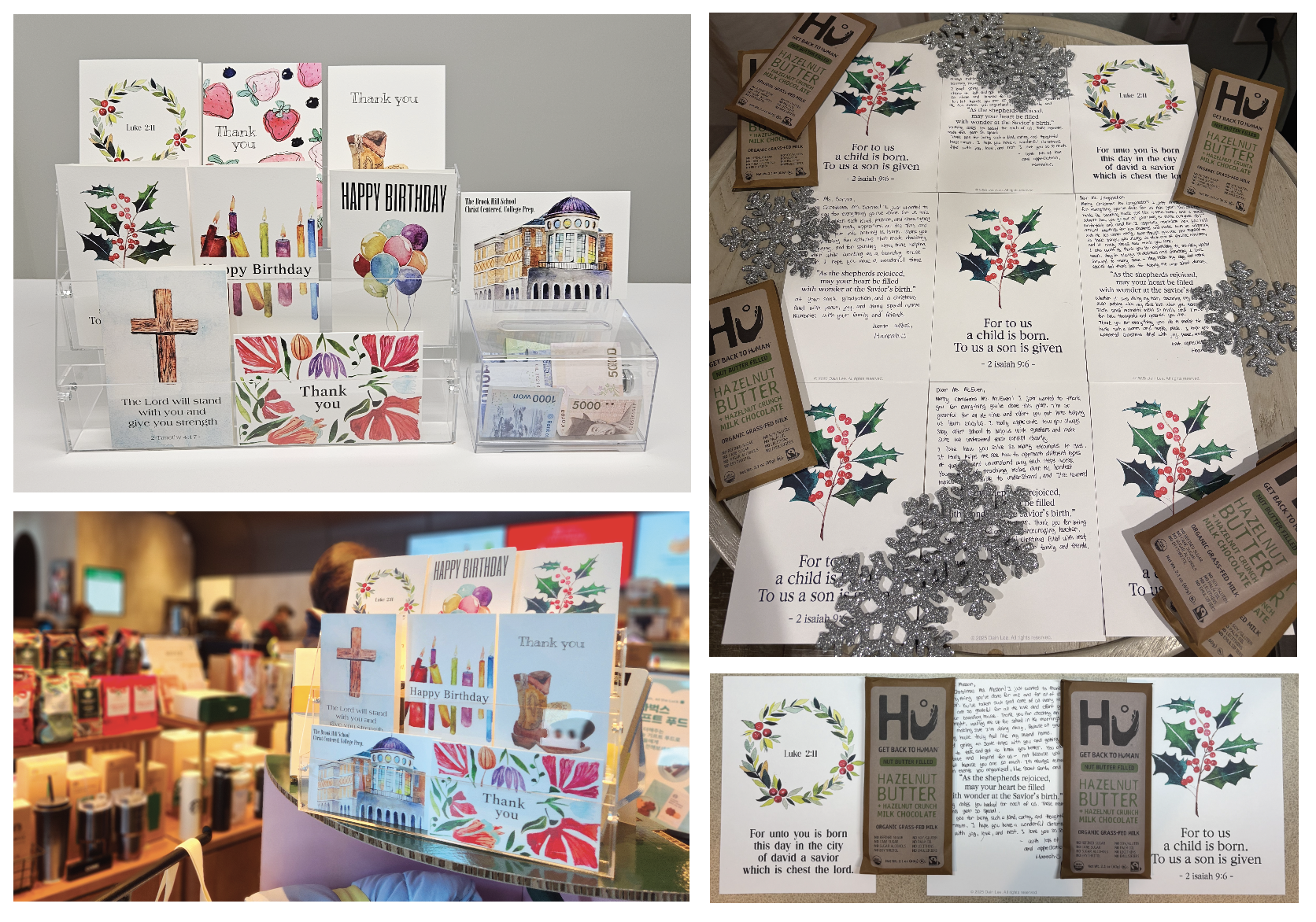
Korea: Cards were sold to church, friends, family, and hospital
United States: Cards were used for handwritten letters to teachers, dorm parents, and friends. Blank sets were also shared so others could participate by writing their own messages.
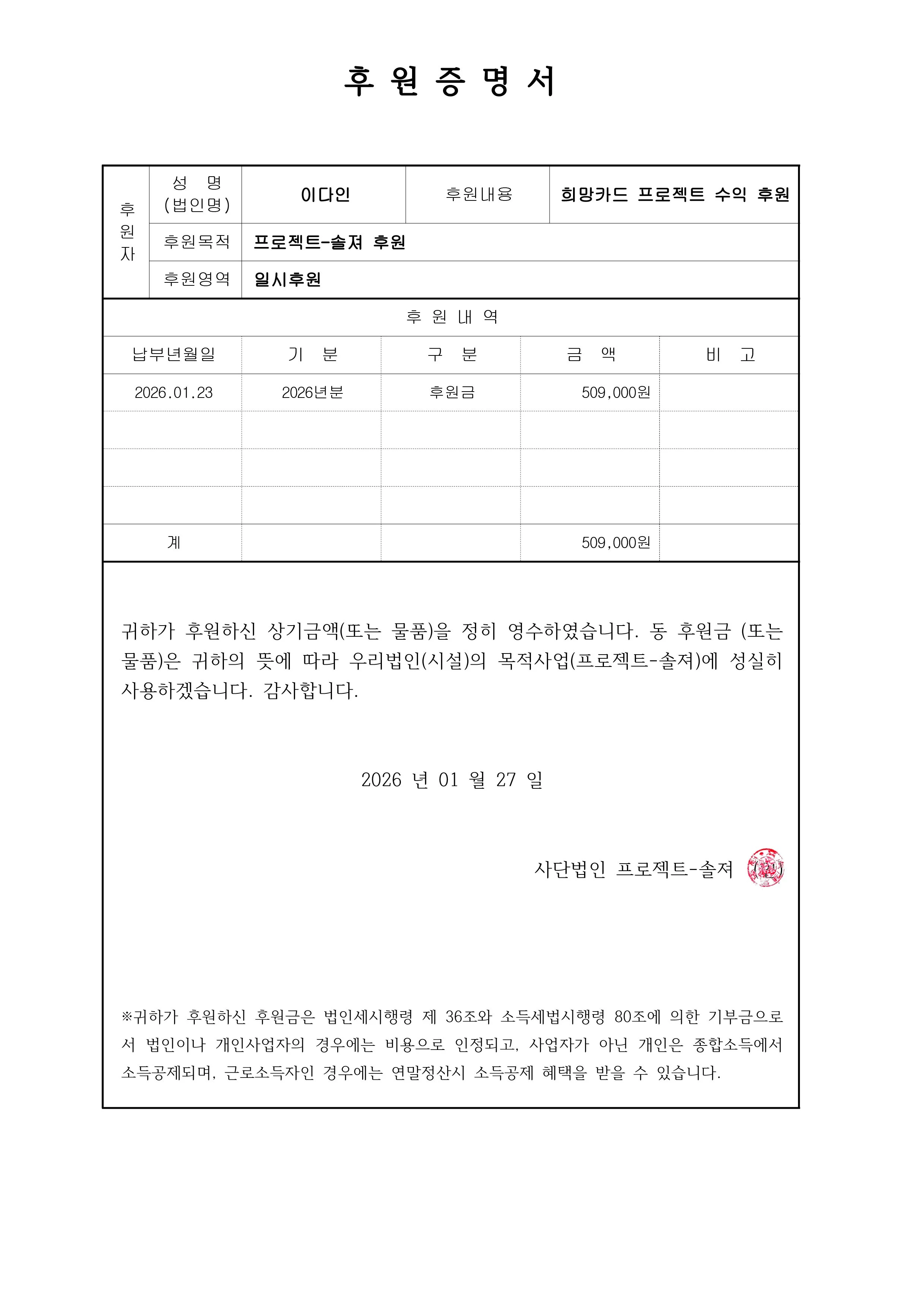
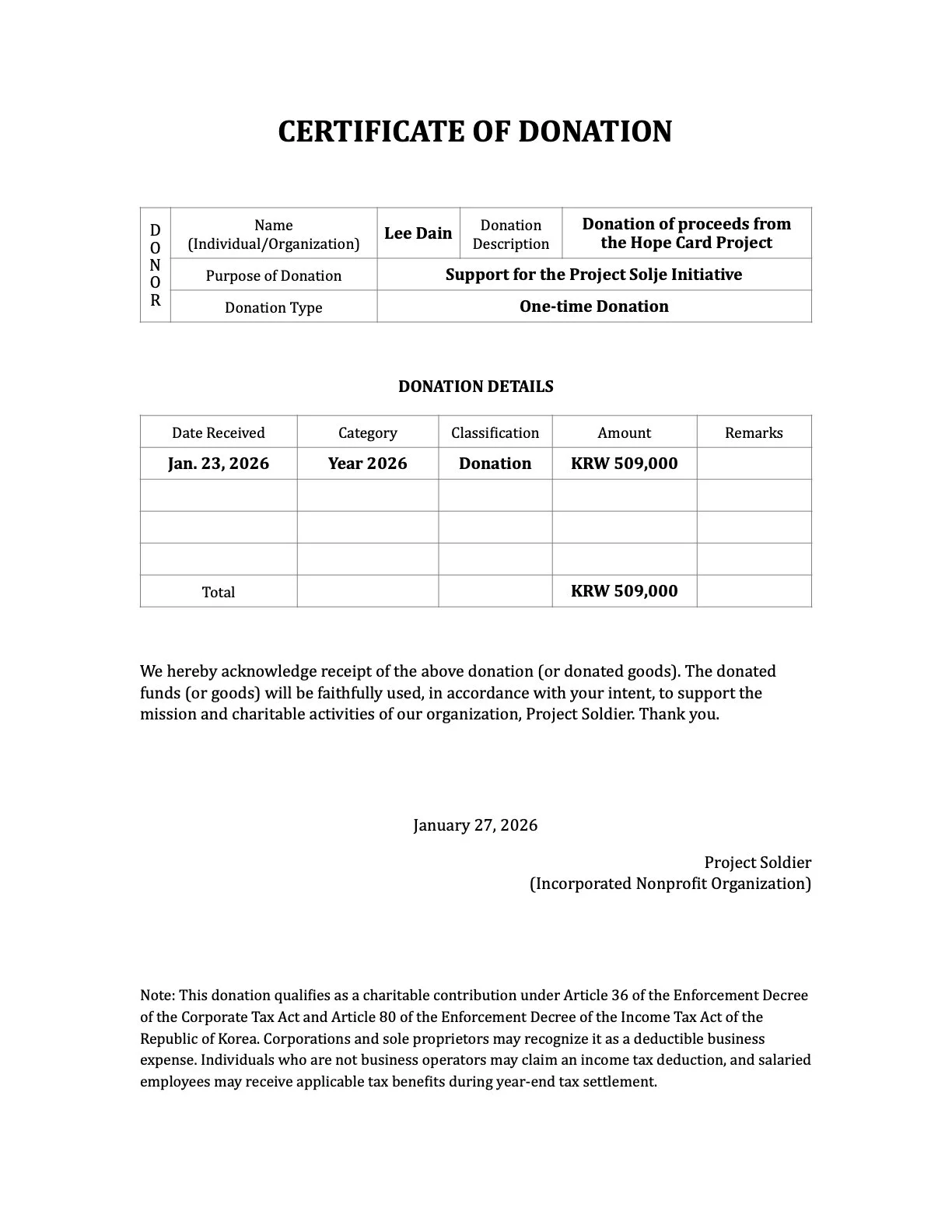
All sales were donated to Project Soldier, a non profit organization that remembers the sacrifice of the veterans through photography.
Step 4
— Community Sharing
What began as a personal action quietly expanded into a shared experience.
Others used the cards to write their own notes, creating a chain of kindness I hadn’t expected when the project first began
CERTIFICATE OF DONATION